


 1
1 2
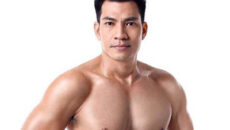
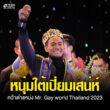
2ขอแสดงความยินดีกับ “ทีม – นัซมาดี มะทีม หนูจันทร์” Mr. Gay World Thailand 2023

ขอแสดงความยินดีกับ “ทีม – นัซมาดี มะทีม หนูจันทร์” Mr. Gay World Thailand 2023

The Straits Games (TSG) 2020,
PHNOM PENH – CAMBODIA
“From October 16th to 18th, 2020, Phnom Penh will host the 19th edition of TSG, an annual sports event that fosters friendship and promotes healthy lifestyle in the LGBT community.”

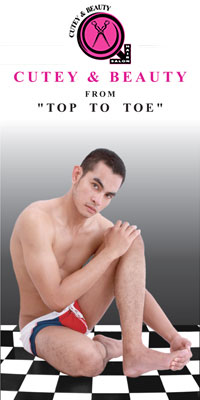
Cutey and Beauty, the end of an era or a new beginning?
After 20 years at Thaniya Plaza, Cutey and Beauty will close it’s doors in mid March, but will reopen in Patpong 2, just beside Hot Male bar. The reason for the move is Thaniya Plaza is closing down for renovations. This will be a 2 year project.
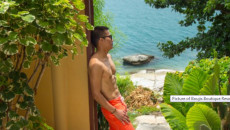
Boujis Boutique Resort Samui is delighted to become the “Go To” LGBT resort in Koh Samui, as well as one of the best eco-friendly resorts in the area. We are only 4 minutes walk away from the pristine Chaweng Noi Beach
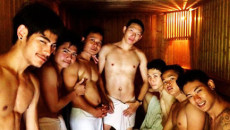
Ask any young gay Thai guy about the gay bars of Chiang Mai and they will likely give you a blank look. The gay scene as understood by visiting foreigners and ex-pats is quite different to that perceived by the vast majority of Chiang Mai’s current generation of LGBT Thais.

All New Gay-Samui.com The gay community here on Koh Samui is pleased to announce the launch of its new website still at the old URL www.gay-samui.com. The site is designed to be easy to use on all platforms from the smallest smart phone to the largest big screen. As with the old website it is…

At a recent conference on Sexuality and Heredity, held in Intercourse, Pennsylvania, Harry Dick, Ph.d, presented his definitive, incontrovertible proof of the existence of a gay gene.
Bangkok Single house with beautiful decoration, 4 bedrooms, 2 bathrooms, 4 air conditioners, parking space, garden, security 24 hours, back view garden, good atmosphere, very fresh air. And also has a Club House, swimming pool, tennis court, basketball court, near Central Rama 2 and The Mall Bang Khae. Contact email: thaipuan@hotmail.com Gay accommodation บ้านเดี่ยวพร้อมอยู่ตกแต่งสวยมาก 4…
Bangkok Single house with beautiful decoration, 4 bedrooms, 2 bathrooms, 4 air conditioners, parking space, garden, security 24 hours, back view garden, good atmosphere, very fresh air. And also has a Club House, swimming pool, tennis court, basketball court, near Central Rama 2 and The Mall Bang Khae. Contact email: thaipuan@hotmail.com Gay accommodation บ้านเดี่ยวพร้อมอยู่ตกแต่งสวยมาก 4…
It seems we can’t find what you’re looking for. Perhaps searching can help.
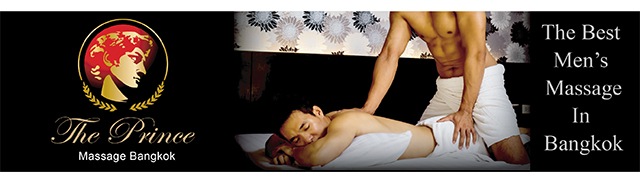
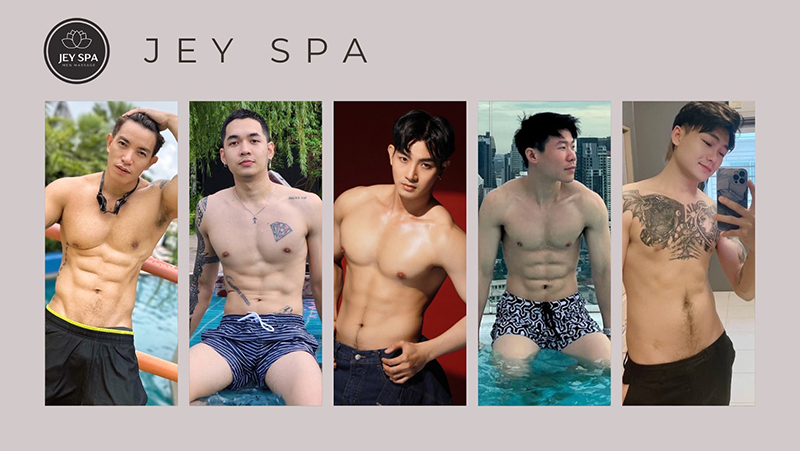
Brand New Luxury Men Massage!! Be Spoiled and Pampered by treating your body, Mind and Soul to the newest luxury men spa, getaway here in Bangkok, Thailand.
Chiang Mai – High Season is coming

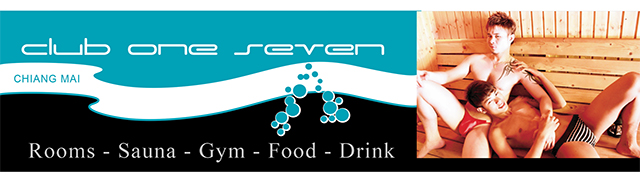
CLUB ONE SEVEN CHIANG MAI
It is a fully equipped facility designed for the gay traveler. For those wishing to stay at a gay hotel, this is the perfect place. Many of our guests use our place as a base to explore the many temples, markets and surrounding nature that Chiang Mai has to offer. It is also an ideal place to use as a hub for trips to visit the border with Myanmar as well many of the remote areas in Northern Thailand such as the Golden Triangle and Chiang Rai.
It seems we can’t find what you’re looking for. Perhaps searching can help.
Club One Seven Sauna Chiangmai “Songkran Festival Party ” 13-15 April 2023
WHY I LOVE LIVING IN PATTAYA By Alan S. Brown The other day, I was perched at my usual spot, sprawled out on a sun bed on Jomtien’s Dongtan Beach, musing with a friend of mine about how lucky we were to be retired here in Pattaya. “Living here is the perfect retirement,” he mused.…
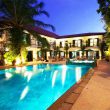
Baan Souy offers luxury Suites and Apartments designed for the discerning traveller who wants to rejuvenate body and soul.
Our Luxury Accommodation features Stylish Thai Décor with the comforts of International Standards in a Lush Tropical Garden Setting.
It seems we can’t find what you’re looking for. Perhaps searching can help.
It seems we can’t find what you’re looking for. Perhaps searching can help.
The best gay bars in Phuket are a big part of what makes Thailand among the most welcoming holiday spots in the world for gay travellers.
The best gay bars in Phuket are a big part of what makes Thailand among the most welcoming holiday spots in the world for gay travellers.
The best gay bars in Phuket are a big part of what makes Thailand among the most welcoming holiday spots in the world for gay travellers.
It seems we can’t find what you’re looking for. Perhaps searching can help.
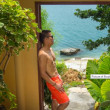
Boujis Boutique Resort Samui is delighted to become the “Go To” LGBT resort in Koh Samui, as well as one of the best eco-friendly resorts in the area. We are only 4 minutes walk away from the pristine Chaweng Noi Beach
Boujis Boutique Resort Samui is delighted to become the “Go To” LGBT resort in Koh Samui, as well as one of the best eco-friendly resorts in the area. We are only 4 minutes walk away from the pristine Chaweng Noi Beach
It seems we can’t find what you’re looking for. Perhaps searching can help.
It seems we can’t find what you’re looking for. Perhaps searching can help.
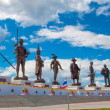
We decided to take a long weekend trip from Pattaya to Hua Hin, a few days after the New Year. The Pattaya-Hua Hin ferry was about to start service. They were even offering free passage for the first week or so. We (wisely) decided to give it a pass until the reviews came in. So, we drove. From what I have heard, the ferry has had to cancel trips when the water is too choppy. Just bear in mind that if you’re planning a trip, you may not be able to count on getting to your destination when you planned. We ended up driving using our trusty GPS. The trip took about five hours including rest stops and coffee.
It seems we can’t find what you’re looking for. Perhaps searching can help.
It seems we can’t find what you’re looking for. Perhaps searching can help.
It seems we can’t find what you’re looking for. Perhaps searching can help.

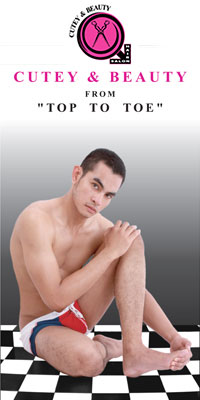
Cutey and Beauty, the end of an era or a new beginning?
After 20 years at Thaniya Plaza, Cutey and Beauty will close it’s doors in mid March, but will reopen in Patpong 2, just beside Hot Male bar. The reason for the move is Thaniya Plaza is closing down for renovations. This will be a 2 year project.
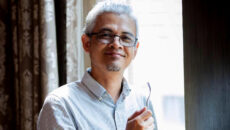
Artist: Virasak Monkaew (Thai)
Technique: Oil Paint on Canvas
Make to order size 40 X 60 cm.